
Pawsitive Guide: Pet Care Resource Hub
Discover trusted wellness education, compassionate guidance, and empowering resources to help your pet thrive at every stage of life.
Use these pet wellness resources to track symptoms, support safer feeding routines, and better understand your dog or cat’s daily health patterns. These tools are designed to complement pet health coaching and veterinary care, helping you make more confident decisions about your pet’s wellbeing.
Portion Calculator & Feeding Guide
Use this framework with your pet’s food label and your veterinarian’s advice. Always adjust based on your pet’s body condition score and energy level.

How to estimate a starting portion:
1. Check the kcal per cup (or per can) on your pet’s current food label.
2. Confirm your pet’s ideal body weight with your vet.
3. Ask your vet for a daily calorie target, then divide by kcal per cup to get cups per day.
4. Split into 2–3 meals for dogs and 2–4 meals for cats.
Quick Feeding Guide (Dogs)
- Puppies: 2–3x the adult portion split into 3–4 meals/day (vet-guided).
- Adult dogs: 2 meals/day; adjust up for high activity, down for low activity.
- Seniors: focus on lean body condition; more frequent weight checks.
Quick Feeding Guide (Cats)
- Kittens: 3–4 small meals/day; rapid growth needs close vet monitoring.
- Adult cats: 2–4 small meals/day or measured wet + dry; avoid free-feeding if overweight.
- Always pair dry food with consistent access to fresh water.
Daily Symptom Tracker
Use this checklist to log changes before vet visits. Track patterns in itching, stool, vomiting, coughing, appetite, behavior, and energy.
Skin & Gut
- Itching / licking: location, intensity (1–5), time of day.
- Diarrhea or stool changes: color, consistency (1–7), mucus or blood.
- Vomiting: frequency, appearance (food, foam, bile), before or after meals.
Respiratory & Coughing
- Coughing: dry vs. wet, triggers (exercise, excitement, night).
- Sneezing or nasal discharge: color and thickness.
- Breathing effort: open-mouth breathing in cats is urgent—call your vet immediately.
Appetite, Drinking & Energy
- Not eating: when it started, full meals vs. partial meals.
- Not drinking or drinking much more: note water bowl refills.
- Energy: normal, lower than usual, or restless/hyper.
Behavior & Mood
- New hiding, clinginess, or aggression.
- Changes in play, sleep, or interest in family members.
- Any sudden personality shift deserves a vet check.
Safe Food: Dogs & Cats
This is for healthy adult pets and small, occasional portions only. Every pet is different—if in doubt, call your veterinarian or pet poison control.
Fast rule of thumb
Avoid onions, grapes/raisins, chocolate, xylitol, alcohol, marijuana/THC, and any medication not prescribed for your pet.
Generally Safe (Dogs & Cats)
- Plain cooked chicken, turkey, or fish (no bones, no seasoning).
- Plain cooked pumpkin or sweet potato (no sugar, no spices).
- Small pieces of carrot, cucumber, or green beans.
Dog-Only (Avoid in Cats)
Small amounts of plain peanut butter (xylitol-free).
Plain Greek yogurt or kefir (if not lactose intolerant).
Some fruits like apple slices (no seeds) and bananas.
Toxic / Avoid for All Pets
Grapes, raisins, currants; onions, chives, leeks.
Chocolate, coffee, energy drinks, alcohol.
Xylitol (in sugar-free gum, candy, some peanut butters).
Cooked bones
Body Condition Score & Food Transition Schedule
Your pet’s body condition score (BCS) is more important than the number on the scale. Use this visual guide and the transition schedule to change foods safely.

Quick BCS Check (1–9 scale)
- 1–3: Underweight — ribs and spine very easy to see and feel.
- 4–5: Ideal — ribs easy to feel with a slight fat cover and visible waist from above.
- 6–9: Overweight — hard-to-feel ribs, no waist, belly rounding or sagging.
Food Transition Schedule (7–10 days)
Keep in mind every pet is different
- Days 1–3: 75% old food, 25% new food.
- Days 4–6: 50% old food, 50% new food.
- Days 7–9: 25% old food, 75% new food.
- Day 10+: 100% new food if stool and appetite stay normal.
Pause or slow the transition if you see vomiting, diarrhea, or refusal to eat. Call your veterinarian if signs last more than 24 hours or your pet seems painful, weak, or distressed. Please keep a record of the feeding process for your personal reference and if your pet needs to go to the veterinarian.
Enrichment & Mental Stimulation Ideas
Boredom can show up as barking, meowing, chewing, or withdrawal. Rotate activities so your dog or cat has something to sniff, chase, chew, and solve every day.
For Dogs
Snuffle mats or scatter-feeding kibble in the yard.
Puzzle feeders and frozen stuffed Kongs.
Short training sessions (2–5 minutes) for tricks and manners.
For Cats
Vertical spaces: cat trees, shelves, window perches.
Interactive play with wand toys and chase toys (5–10 minutes).
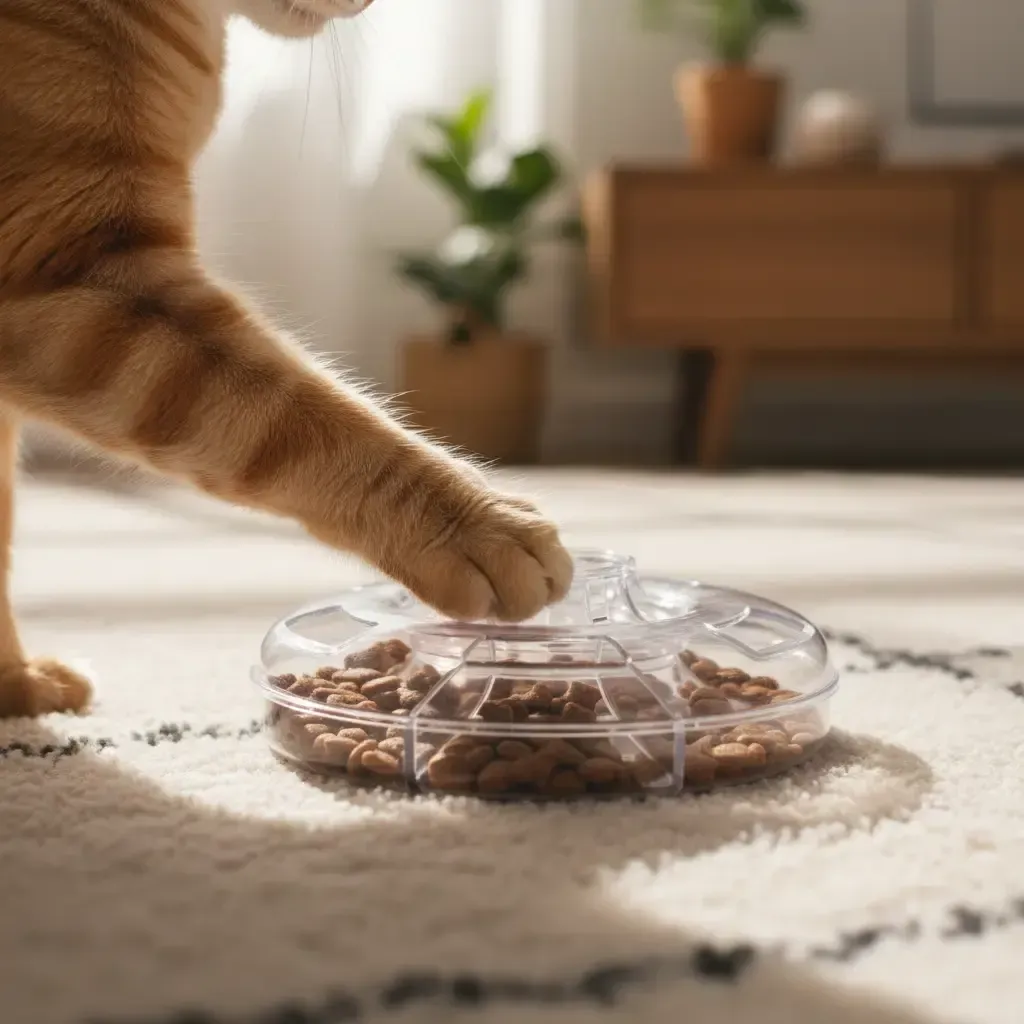
Food puzzles, treat balls, and foraging boxes.
Calming Routines
Predictable meal and walk/play times.
Quiet decompression space away from children and visitors.
Gentle massage, slow breathing beside your pet, or calm music.





Emergency: Pet Poison Control Hotlines
If your pet may have eaten or been exposed to something toxic, call your veterinarian immediately. If they are closed, contact one of these 24/7 hotlines:
ASPCA Animal Poison Control Center (USA): +1 (888) 426-4435 (fee may apply).
Pet Poison Helpline (USA/Canada/Caribbean): +1 (855) 764-7661 (fee applies).
Check your local emergency vet hospital’s number and save it in your phone.
If your pet collapses, has seizures, trouble breathing, or severe bleeding, go to the closest open veterinary hospital immediately—do not wait for a call back.
Ready to get the answers you're looking for?
Schedule a free 15-minute Discovery Call with our experts




These statements have not been evaluated by the Food and Drug Administration. These products and services are not intended to diagnose, treat, cure, prevent disease or replace your current veterinarian.
© 2025 Pet Health Pathways to Wellness. All rights reserved.